Elon Musk: From a Curious Kid in Pretoria to the Man Who Wants to Reach Mars
The inspiring journey of Elon Musk — from facing failures and near-bankruptcy to building Tesla, SpaceX, and becoming one of the most influential innovators of our time.
Chronica Editorial · · 4 min read
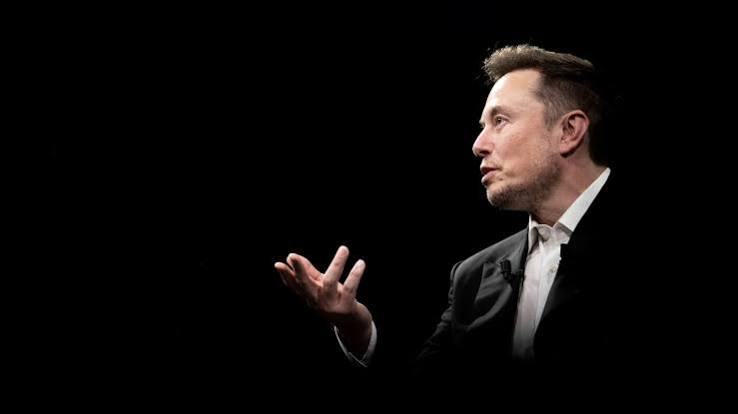
Every generation produces a few individuals who refuse to accept the world as it is. Elon Musk is one of them. Love him or criticize him, no one can deny that he has reshaped multiple industries — electric cars, space travel, online payments, and even social media.
The Early Years
Elon Musk was born on June 28, 1971, in Pretoria, South Africa. As a child, he was quiet, bookish, and endlessly curious. He read so much that he reportedly finished the entire encyclopedia. At just 12 years old, he sold his first computer game called "Blastar" for $500.
But his childhood wasn't easy. He faced bullying at school and struggled with a difficult family life. At 17, he made a bold decision — he left South Africa and moved to Canada, determined to build a life in America. He worked odd jobs, including cleaning boilers, before studying physics and economics at the University of Pennsylvania.
First Steps into Entrepreneurship
In 1995, Musk dropped out of a PhD program at Stanford after just two days to start Zip2, a software company helping newspapers go online. He sold it in 1999 for $307 million. Instead of retiring rich, he invested almost everything into his next venture — X.com, an online payment company. That company later became PayPal, which eBay bought for $1.5 billion in 2002.
Most people would stop there. Musk did the opposite — he risked his entire fortune on two impossible dreams: rockets and electric cars.
Betting on the Impossible
In 2002, Musk founded SpaceX with one wild goal: make humanity a multi-planetary species. In 2004, he joined Tesla (founded by Martin Eberhard and Marc Tarpenning) as an investor and later became CEO.
What followed were some of the darkest years of his life:
- The first three SpaceX rockets failed one after another, nearly bankrupting the company. - In 2008, Tesla was weeks away from collapse during the financial crisis. - Musk had poured almost all his PayPal money into these companies and was borrowing money for rent.
Then came the turning point. In September 2008, SpaceX's fourth launch — the Falcon 1 — successfully reached orbit. Tesla received emergency funding on Christmas Eve of that same year. From the edge of destruction, both companies rose.
Building the Future
Today, the results speak for themselves:
- SpaceX became the first private company to send astronauts to the International Space Station, and its reusable Falcon 9 rockets dramatically cut the cost of space travel. The giant Starship is being built for missions to Mars. - Tesla transformed electric vehicles from boring golf carts into some of the most desirable cars in the world, pushing the entire auto industry toward sustainability. - Starlink provides internet to millions, including war zones and disaster areas. - Neuralink and The Boring Company continue to push boundaries in brain-computer interfaces and infrastructure.
In 2022, Musk acquired Twitter (now X), sparking massive debate about free speech and platform ownership — proving he's never afraid of controversy.
The Man Behind the Headlines
Musk's life hasn't been free of criticism. His management style, public statements, and political involvement have drawn both loyal fans and fierce critics. But behind the headlines lies a simple philosophy he often repeats:
When something is important enough, you do it even if the odds are not in your favor.
Lessons from Elon Musk's Journey
1. Failure is fuel — Three failed rockets didn't stop him; they taught him. 2. Bet on yourself — He risked his entire fortune on his own vision. 3. Think bigger — He doesn't build products; he builds futures. 4. Persistence beats talent — He survived near-bankruptcy not once, but twice. 5. Work with obsession — Musk famously worked 100-hour weeks in Tesla's factory.
Conclusion
From a bullied kid in South Africa to the CEO of companies reaching for the stars, Elon Musk's story proves that impossible is just an opinion. Whether he actually gets humans to Mars or not, one thing is certain — he has already inspired millions to dream bigger, work harder, and never accept "no" as a final answer.
What do you think about Elon Musk — visionary or risk-taker? Share your thoughts in the comments below